
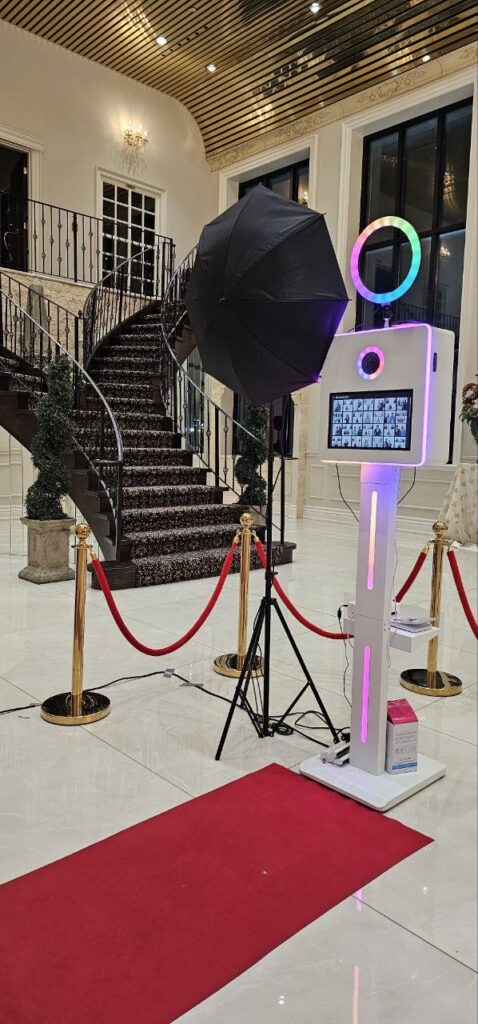
A downtown Toronto photo booth booking is easier to plan when building access is confirmed before the event timetable is finalized. The important chain is unloading point, security check, elevator or internal route, room access, and equipment setup. A delay at the first link can consume the time intended for the last one.
Just Great Events provides photo booth rentals in Toronto for private and business events. This guide focuses on condos, hotels, and office buildings where the route to the party can be more complicated than the room itself. Building-specific instructions always take priority over general advice.
Create one access document for the booking
Collect the venue address, room name, supplier entrance, arrival time, loading instructions, and on-site contact in one place. If the public entrance differs from the equipment entrance, include both and label them clearly. A map pin for the front lobby may not bring an attendant to the approved unloading point.
State which details are confirmed and which are still pending. A tentative elevator time should not look like a reservation. Ask the building representative to confirm any booking number, visitor requirement, or access restriction through the normal venue process. Keep private identification information in the appropriate channel rather than an open event document.
Give the attendant a contact who will answer during setup. At a wedding, that person is often the coordinator. At a corporate reception, it may be a facilities or event contact. At a condo party, it may be the resident or another person authorized by management. The contact should know the final room arrangement, not simply have a key.
Book the route, not just the elevator
An elevator reservation is only useful if equipment can reach it. Ask where the vehicle may stop, how cases enter the building, whether a security escort is needed, and which doors connect to the elevator. The lift’s dimensions and access conditions should be checked for the actual equipment, especially where there are narrow turns.
Confirm whether the reserved time includes unloading or starts once equipment is already inside. Also check whether the elevator is shared with other suppliers. A short exclusive window differs from access that is available throughout setup but subject to competing deliveries.
Plan the return journey at the same time. After-hours access can differ from daytime access, and an elevator reservation for arrival may not cover departure. Identify who can reopen a locked service corridor and who remains responsible after the host leaves. Both directions belong in the final plan.
For condos, distinguish the resident’s tasks from the supplier’s
The resident or authorized host usually needs to obtain the building’s party-room instructions. The booth provider can explain its equipment needs, but it cannot assume authority to reserve building facilities. Ask management what must be arranged and give the provider the confirmed outcome.
Check whether the room booking includes setup and removal time, whether furniture can move, and where equipment cases may be stored. A room with a fixed end time needs operating hours that leave an appropriate packing interval. Avoid choosing a closing time based only on when guests are expected to stop dancing.
Make the room plan account for food, coats, seating, and a route to washrooms. A Signature Classic Photo Booth may be considered when printed photos are the priority, but suitability still depends on the complete footprint and access route. No booth format should be assumed to fit every condo room.
For hotels, work through the banquet contact
Hotel events may involve a room turnover between a ceremony, meeting, dinner, and reception. Ask the banquet contact when the final booth position becomes available and whether equipment can be installed before the turnover. The answer affects both setup timing and the practical location.
Share a marked floor plan showing the booth, queue, printer or sharing station, and any backdrop supplied by another vendor. Confirm that it does not conflict with service stations, emergency exits, or doors staff need during the meal. A blank wall is not necessarily a free wall if the banquet team uses the adjacent passage.
Coordinate with the event’s lighting and audiovisual team. A nearby screen, speaker, or coloured light can affect photographs, communication, or guest comfort. The booth should feel connected to the reception without blocking the operation of the room. Any requested documents should be discussed with the supplier before the final access deadline.
For offices, plan beyond the reception desk
An office event can take place in a boardroom, cafeteria, shared lounge, or temporary event area. The public address may lead to a lobby that closes before the party ends. Confirm the visitor route, security procedures, and how guests or suppliers leave after normal business hours.
Place the booth where participating colleagues can find it without entering restricted work areas. Clear confidential material from the background and decide whether screens or noticeboards might appear in photographs. If the event is branded, have the appropriate company contact approve the design and sharing instructions.
The corporate photo booth service explains the available event formats. For planning purposes, keep photo delivery separate from any optional marketing or contact collection. Employees and guests should understand what they are choosing when they participate, and no one should infer consent from their attendance alone.
Allow time for a tested setup
Equipment needs to be assembled and checked after it reaches the room. A print test confirms the template and output, while a video setup needs its movement area and framing assessed. The required allowance depends on the route and configuration. Ask the provider to specify a realistic arrival and readiness plan instead of relying on a universal one-hour rule.
If access is only possible after guests arrive, say so during the enquiry. The provider can assess whether a suitable setup is possible and how to separate equipment work from guest circulation. Do not quietly shorten the setup window and assume the original plan still applies.
For an illustrative reception, the host might need the booth ready before doors open but operating only after a welcome speech. The written schedule would show both readiness and service times. That distinction prevents guests from interpreting assembled equipment as an invitation to begin before the agreed opening.
Choose a position that survives the whole event
A lobby position may appear convenient during setup but become congested as guests arrive. A corner near the dance floor may work later but be needed for a ceremony beforehand. Choose a location based on the room’s full sequence, not only one photograph of the empty space.
A Mirror Photo Booth needs a comfortable approach and room for its operation. A 360 Video Booth requires a protected camera movement zone, which cannot double as the path to a bar. Ask the provider to assess the actual ceiling and obstructions, including decorative features.
Where moving equipment is being considered, obtain a specific plan that includes service interruption and retesting. Often the better choice is to keep the booth in one approved location and use signs or an announcement to bring guests to it. Repositioning is an operational decision, not a casual decorative adjustment.
Make a small station easy to use
Separate the stages of the activity: waiting, choosing props, taking the image, and collecting or receiving the result. Even without barriers, a clear direction of movement helps. Put a guest book or favour collection point beside the exit from the booth rather than directly in front of the camera.
Give guests somewhere suitable to leave drinks and bags while posing. Keep cables and cases under the provider’s control, and do not let temporary decorations conceal the safe operating area. If some guests need a seated or accessible arrangement, discuss this when planning the position so an adjustment is not improvised in a crowded queue.
For a short after-work reception, a simple portrait experience may be more useful than many choices on a screen. For a social party, optional props can encourage different groups to return. Select the amount of interaction based on the time guests have, not on how many features appear in a package description.
Do not assume a rooftop is an outdoor-ready venue
A rooftop or terrace may be part of the event, but that does not establish an appropriate location for electronics and freestanding decor. Discuss wind, rain exposure, temperature, floor condition, and power with the venue and provider. The provider must approve the equipment setting.
Reserve an indoor alternative before the room is furnished. Decide who makes the weather call and when the choice must be final. Guests should know where the activity will be without being directed through an equipment move. A covered section is only one part of the assessment, not a blanket assurance.
The outdoor setup and backup guide covers these issues in more detail. For a downtown event, also confirm that the route to the outdoor area is suitable for the cases and can remain available when it is time to leave.
Keep last-minute changes in one version
If the building changes the loading time or room assignment, send one consolidated update. Identify what changed and retain the confirmed details that still apply. A string of forwarded messages can leave the attendant uncertain whether an old instruction has been replaced.
Check the final design at the same time. Names, dates, company logos, and room references should match the event. An approved proof should be clearly marked so an earlier attachment is not used accidentally. Make the event contact responsible for gathering edits from the planning team.
For multi-venue bookings, the GTA travel and setup guide helps separate the schedule for each address. The office and conference planning guide offers more detail on coordinating business participants and event spaces.
Keep the unloading vehicle separate from guest arrivals
Ask the building contact how the approved unloading point interacts with guest drop-off. A hotel entrance may be busy with arriving guests, while a condo may have a shared vehicle area. The supplier should follow the building’s arrangement rather than relying on an informal instruction to stop beside the front door. If the unloading interval is limited, make sure the room contact is ready to receive the equipment when that interval begins.
Include the destination for the vehicle after unloading and any procedure for returning at departure. These details are particularly useful when the event contact will be occupied upstairs. Avoid assuming that arrival parking also covers removal later in the evening. A concise, confirmed vehicle plan helps protect the setup allowance without asking the attendant to solve building access from the street.
Request a quote with the access plan attached
Provide the date, building and room, guest count, desired output, operating hours, and known access requirements. Ask the provider to identify any unresolved route or timing issue. Include parking and venue restrictions in the discussion so the quote describes the actual job.
Once the building contact and booth provider agree on the route, the remaining decisions become clearer: which format fits, when to open, where guests wait, and how equipment leaves. Request a written quote for your downtown Toronto event with those details together rather than treating delivery as an afterthought.