
A school photo booth should fit the event timetable, the school’s participation rules and the kind of keepsake students and families want. Prom usually needs an experience that works alongside dinner and dancing; a graduation reception needs a plan for families arriving after the ceremony. Start with those differences before choosing equipment or decoration.
The school photo booth service covers booking options for Toronto school events. This guide helps staff and student organisers turn an idea into an event brief, with attention to supervision, approval, access, photo sharing and the practical limits of a busy queue. It does not assume that every school follows the same policies or that a particular format is approved for every age group.
Separate prom from graduation planning
Prom is a social event with a defined programme and an end time that may depend on transport. Students often want photographs with several overlapping friend groups. The booth needs to remain connected to the supervised event space, and the organiser needs to consider how a queue interacts with dinner, speeches and dancing. A visually dramatic setup is useful only if students can reach it during their free time.
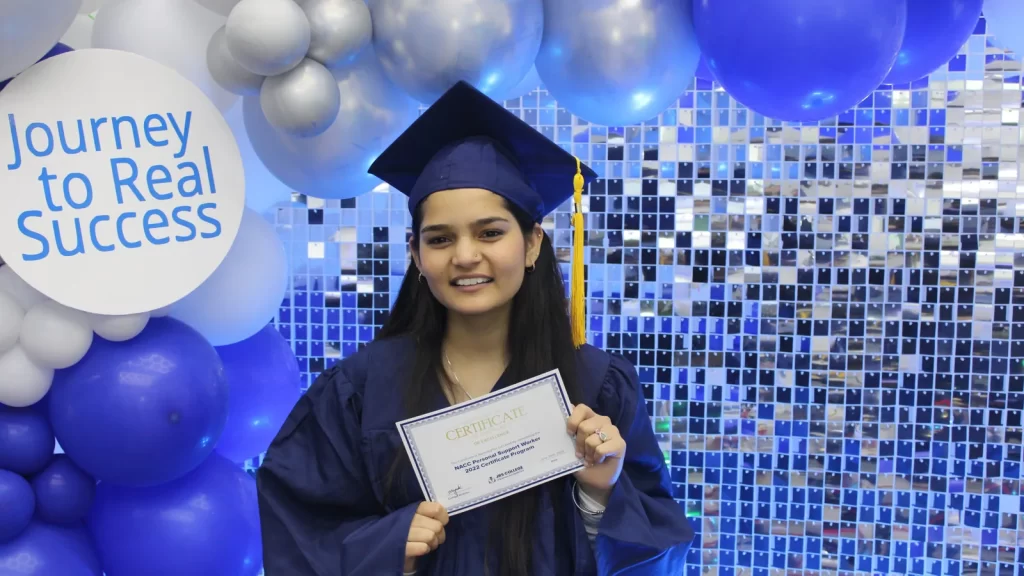
A graduation reception has a different pattern. Families may leave the ceremony at once, creating a sudden demand for pictures with graduates. Some relatives may have limited time before travelling home. The photograph may need to show a gown, flowers or a school keepsake clearly. Decide whether the booth is an optional social activity, a family portrait opportunity or a planned part of the reception, because each purpose changes the staffing and schedule discussion.
Name the adult decision-makers early
Student organisers can shape the theme and suggest how friends will use the booth, but the school should identify who handles approval, purchasing and the final event instructions. Give the provider a clear staff contact rather than several students sending separate requests. That contact can confirm the venue, approved content, photo-sharing arrangements and any required vendor paperwork without leaving important decisions to the evening itself.
Keep a second contact for the event day if the main organiser will be occupied with the ceremony or student supervision. Clarify who can approve a schedule change and who can resolve a venue-access problem. The booth attendant manages the booked experience; school staff remain responsible for the school’s own supervision and event procedures. Writing those responsibilities down avoids treating an external provider as an unplanned substitute for staff.
Choose a keepsake students can use
Printed photographs offer a tangible souvenir that does not depend on a student using a phone at the event. A digital format may suit a different brief, but the organiser should confirm the delivery method and what information guests need to provide. A Signature Classic Photo Booth and a Digital Photo Booth therefore answer different questions about the desired output.
A 360 Video Booth records a moving clip rather than a printed portrait. If it is being considered, discuss the actual setup, group participation and supervision with the school and provider. Do not select it simply because it appears popular in another school’s social posts. Clothing, available space, the intended age group and the school’s own event rules all belong in the decision.
Give the theme room to breathe
School colours, the event name and the graduating year can create a clear identity without crowding the photograph. A prom theme may need only one visual cue from the decor rather than a complete illustration behind every face. For graduation, a restrained design can make the print useful to grandparents and families as well as students. Keep the main wording readable at the actual output size.
Obtain the approved school crest or logo from the staff contact. Do not lift a low-resolution image from a social profile and assume it is the correct version. Ask one authorised reviewer to check the spelling of the school, event name and year. If different graduating groups share a venue, check that artwork has not carried over the previous event’s date or school name.
Review props through the school’s own rules
Have staff approve the style of props before the event. A collection suitable for an adult birthday party may include references that do not belong at a school function. Choose pieces that are easy to understand, easy to hold and unlikely to obscure every face. Leave room for a straightforward portrait without a prop, since not every student wants a novelty photograph.
Students can help identify a theme that feels current to them, but avoid jokes aimed at particular classmates, teachers or social groups. The props and print-template checklist offers a useful design review. For the school organiser, add a practical question: can each item be used comfortably by the guests expected, and can the attendant keep the collection tidy throughout the session?
Put photo sharing in the brief
The school should decide which delivery and sharing methods fit its policies and the event’s age group. Ask the provider to explain the available options and any information a guest enters. A print, an individual digital delivery and a shared event gallery are different arrangements. Agree which one is intended instead of leaving a default screen in place and discovering its behaviour during the first session.
The organiser should also distinguish a student’s own keepsake from publication on school or supplier channels. A photograph taken at a school event should not automatically become promotional material. Arrange the necessary decisions through the school, communicate the event’s approach and provide a practical way for guests to decline participation. Do not promise that deleting a public post later will control copies already shared by other people.
Plan around the actual free-time window
For prom, mark the doors-open time, dinner, speeches, awards, dancing and final transport departure. A booth that runs throughout a formal meal may be available on paper but difficult to use. A later start can be sensible, but it should still include students who may leave early. Ask whether a short arrival window and a later social window fit the chosen booking arrangement.
For graduation, confirm whether the booth can be ready before the ceremony finishes and whether families will gather in one space or disperse. As a planning example, a school could invite groups to visit during a reception rather than immediately at the exit. That may reduce crowding, but it depends on the venue and programme. The provider should price the real schedule, including any pause or early setup, rather than a guessed standard duration.
Keep the queue within the supervised space
An accessible, visible location is more useful than a decorative corner reached through an unsupervised corridor. Ask the venue and school to review the booth footprint together with the waiting area. Keep the line away from exits, washroom routes, meal service and the DJ’s working space. Students should be able to see where the line begins and where to collect an output without crossing back through the camera area.
Group photographs require more room than individual portraits. Encourage students to gather their group before joining, while allowing for people who prefer a solo or paired picture. Avoid guarantees about how many guests can be photographed from a printer specification alone. The full session includes positioning, instructions, image choices and movement. Discuss expected demand with the provider and decide whether a simpler output or longer operating window is more useful than extra decorative features.
Make participation comfortable for different guests
Tell the provider about practical access needs relevant to the setup without distributing unnecessary personal information. Discuss floor-level participation, camera positioning, seating if appropriate, lighting and how instructions are delivered. A setup that works for one guest may need adjustment for another. Do not assume that every booth format supports the same range of movement or that an equipment photograph proves accessibility.
Some students prefer a quieter interaction or a photograph without an audience. A calm welcome and a clear explanation can help, while a loud countdown or public encouragement may not. Make participation voluntary and avoid calling attention to someone who declines. At graduation, apply the same consideration to family members, including older relatives who may need a seat or a shorter wait.
Coordinate gowns, bags and belongings
Graduation clothing creates its own small logistics. Decide where guests can place flowers, programmes and bags without leaving them in a walking route. A nearby supervised surface may help, but do not assume the booth attendant can manage valuables. Ask graduates to check how their gown sits before the session so a large group does not need to restart repeatedly for avoidable adjustments.
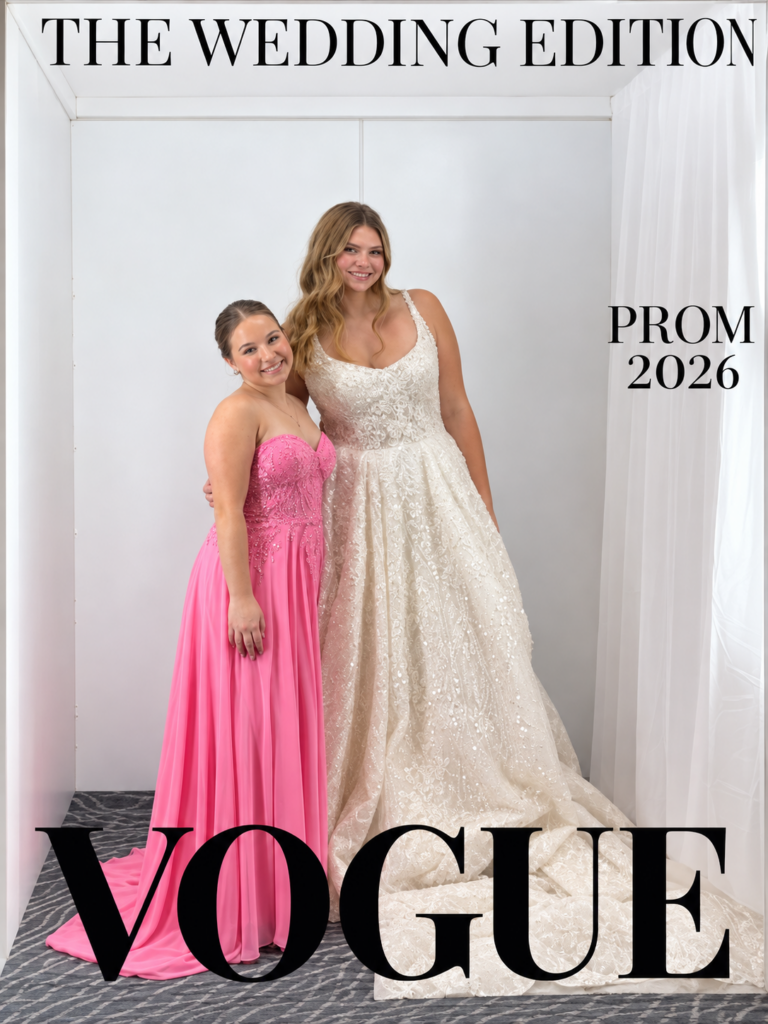
At prom, long dresses, formal shoes and jackets can affect movement and posing. The chosen booth should be discussed with those outfits in mind, particularly if participation involves stepping onto equipment. Avoid shared props that require complicated fitting or delicate handling. A clear, uncluttered photo area lets students focus on their friends and reduces the time spent reorganising clothing and belongings between sessions.
Confirm the venue handover
In a school building, identify the entrance available for delivery, who opens it and who remains responsible for access after the event. Check the route from that entrance to the booth location, including doors, lifts and floor-protection requirements. A school gym can offer a large room, but that does not establish where equipment may be placed or which electrical supply is suitable.
For a hotel or hired hall, obtain the venue’s delivery and collection instructions rather than relying on the guest entrance. Share required paperwork early enough for the provider and school to review it. The downtown Toronto venue-access guide can help with hotel or building logistics. Every venue still needs to confirm its own current rules, especially where several events share loading space.
Keep the final departure calm
The last minutes of a school event often contain several competing tasks: collecting belongings, finding friends, arranging transport and saying goodbye. Set a clear last-session plan with the attendant and staff. Give guests a reasonable indication that the booth is closing without creating a rushed scramble. The booked end time should align with the school’s departure arrangements rather than depend on an improvised extension.
After the event, confirm who receives the agreed files or collection and how that person will distribute them. Keep this handover with the authorised staff contact. If the school plans a yearbook or graduation display, agree its selection process separately instead of assuming the entire booth collection is suitable. The same care used for the design should apply to the final use of the photographs.
Prepare a complete school event request
Send the date, school name, venue, expected guest count, programme, desired output and staff contact. Add the theme, artwork approval process, access instructions and the school’s chosen sharing arrangements. Note whether the event is a prom, formal or graduation reception, because that context is more helpful than a headcount alone. For related teenage celebrations, the sweet 16 and quinceañera guide offers a different family-led perspective.
Use the rental cost guide to understand published pricing and compare the scope of options. Then request a written school-event quote based on the actual timetable. A clear plan gives students room to enjoy their pictures while staff retain control of supervision, communication and the event’s boundaries.