
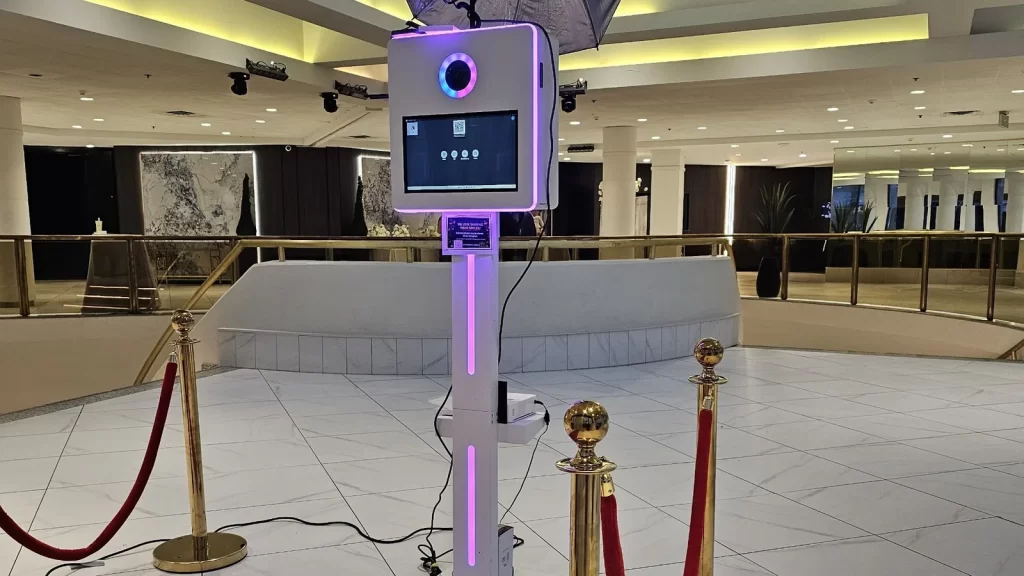
For a party in a Scarborough community hall, restaurant room or other shared venue, confirm the access window before deciding the photo booth hours. The booking needs time for equipment to enter, be tested, operate and leave while the host manages food, guests and cleanup. A clear room plan and one event contact make those jobs easier to coordinate. The Scarborough photo booth service explains the available rental options; this guide focuses on making a hired room work for the celebration.
A hall with plenty of floor area can still have a tight timetable. A restaurant’s private room may offer less space but have staff already managing the meal. A condo party room may require a key-holder and elevator arrangements. These are examples of questions to investigate, not rules that apply to every venue. Check the actual room and agreement rather than assuming a type of building guarantees access, power or an appropriate setup area.
Read the room booking as a working timetable
Identify when the host receives access and when the room must be cleared. Then separate setup, guest arrivals, the party programme, the last booth session, equipment removal and host cleanup. If the room booking starts at the same time as the invitation, there may be no practical setup window. Resolve that with the venue before asking suppliers to make the timing work on the day.
Find out who opens the door. A caretaker, venue employee, volunteer or resident may hold the key, and that person may not be the host. Give the supplier a reachable contact who will be present at the agreed time. A phone number is useful only if the person knows the arrival plan and can act. Do not make the booth team wait for someone who is still shopping for party food.
Inspect the usable space after furniture is placed
Ask for the room layout with tables, seating, serving areas and activities included. Mark the booth position on that plan. A rectangle of empty floor is not enough if guests must cross it to reach the buffet or washrooms. Keep exits and required circulation clear and have the venue confirm the proposed arrangement. The supplier should assess the equipment footprint and guest approach for the chosen format.
A backdrop does not necessarily need a solid wall, but the support and clearance must suit the installation. Similarly, a low ceiling or a hanging decoration can affect some formats more than others. Send photographs rather than guessing whether a 360 Video Booth or a Signature Classic will fit. The format should be chosen after the room is understood, not used as a reason to squeeze the room beyond its practical limits.
Keep the food route independent from the photo route
Food attracts a queue of its own. Place the booth so its waiting group does not become mixed with people collecting meals or drinks. This is especially important when a host is using a self-service table and volunteers are replenishing dishes. A shared path can become congested even when each activity seems manageable on its own.
Think about where people go after collecting food and after taking photographs. Guests carrying plates need a direct route to seating. Guests collecting prints may stop to compare them or find family members. Give both groups somewhere to move without blocking the next person. A small change in table orientation can sometimes create a clearer route than adding signs to a layout that is inherently confusing.
Choose the booth window around the celebration’s main moments
A birthday, reunion, community celebration or anniversary has its own rhythm. List the moments that require attention: welcome remarks, a meal, performances, cake or presentations. Then identify the open periods. The booth should feel available when guests can enjoy it, rather than competing with the only planned activity or sitting unused while everyone eats.
For an illustrative afternoon hall party, setup might occur before a 2 pm arrival, a meal at 3 pm and cake at 4 pm. A booth window could focus on arrivals and the social period after food, subject to the agreed booking. The exact times are examples, not a prescribed package. Discuss any pause with the supplier and keep the operational start and finish clear. A room booking with a hard closing time cannot simply extend because the programme began late.
Assign jobs that volunteers can realistically do
At a family or community event, volunteers may be handling decorations, welcome, catering and cleanup. Give each person a specific role rather than assuming everyone will help with the booth. One person can welcome the supplier, another can encourage guests to find the station, and another can receive the keepsake book. Equipment operation should remain with the agreed booth team.
Avoid asking one volunteer to supervise children, refill food, manage the guest book and approve supplier changes simultaneously. A role list can be short and still useful. Record who can make layout decisions and who can approve a change to the quote. These are not always the same person. If the host will be busy with the guest of honour, name a practical contact who can respond without interrupting every important moment.
Select an output that suits the occasion
Printed photographs give guests a tangible keepsake. Video clips emphasize movement. A digital format offers sharing without a printer. A keychain option creates a different favour, while an audio guest book records messages. Clarify the output you want before selecting equipment or comparing rates. Do not assume that every item called a booth produces paper prints.
The birthday party service is relevant for a family celebration, while the school events service is the appropriate starting point for an event organized through a school. Keep the booking brief specific to the organizer and audience. A private hall party should not inherit a school’s requirements, and a school event should not be planned as if it were simply a household birthday with a larger guest list.
Check power and equipment access with the venue
Locate the available outlets and have the supplier confirm whether they suit the selected configuration. Ask about any restrictions on cables, floor coverings or equipment placement. Do not assume that an outlet visible on a wall is available for the booth if a catering appliance or another supplier is already assigned to it. The final arrangement needs to be agreed by the relevant teams.
Follow the equipment route from unloading to the room. Note steps, doors, lift access and places where the route may be shared with guests. If a lift must be reserved, include setup and removal. The downtown venue logistics guide provides useful questions for managed buildings, while the GTA travel and setup guide explains the difference between arrival and operation.
Make design approval a small, finished task
Choose the wording and colours before the event week becomes crowded. A print usually needs a clear occasion, name and date, with enough room left for the photographs. A community celebration might use an event name; a reunion might use a family name; a birthday may include an age if the guest of honour wants it. Ask for the actual preference instead of applying a generic party design.
Give one person responsibility for the final proof. Check spelling, date, readable type and contrast at the printed size. If a committee is involved, collect comments before sending the response rather than allowing several competing revisions. The props and print-design checklist can help keep that decision focused. A finished, approved design removes an avoidable task from the day-of setup.
Leave room for comfortable participation
Guests should understand where to join the activity and what they will receive. A friendly announcement or simple sign may be enough. Keep instructions short, and allow people to watch before taking part. Not everyone wants a solo photograph or a lively video; a relaxed group picture may be more appealing. Participation should remain an invitation rather than an obligation.
Discuss access needs with the venue and supplier while changes are still practical. A clear path, an appropriate camera arrangement and time for someone to settle can make the experience more comfortable. Do not assume a platform-based setup suits every guest. If children are attending, explain how the host will supervise them around the activity. The booth attendant operates the experience but should not be treated as general childcare for the room.
Keep collection and memories organized
Place the print collection point where completed groups can move away from the next session. If a guest book or message station is included, give it enough space for people to pause. Keep it separate from food and drinks. Agree how copies are managed and what the host receives. Those details matter more than a vague promise that everyone will leave with everything they might want.
Plan digital sharing with the audience in mind. Tell guests how their files are available and decide how the host will circulate the collection later. Respect specific privacy requests and any organizer or venue requirements that apply. A local celebration can be documented without assuming all photographs should be posted publicly. Clear expectations reduce the need to correct misunderstandings after the event.
Keep the host’s supplies separate from supplier equipment
Community and family events often bring boxes of decorations, serving items, prizes and cleaning supplies into the room. Decide where those boxes belong once unpacked. They should not accumulate behind the booth backdrop or under a table the supplier needs to use. A designated storage position, approved by the venue, keeps the activity area clearer and reduces confusion when packing begins.
Label items that must go home with a particular person. A family guest book, a committee sign and a supplier’s prop collection can look like one shared display by the end of the party. A simple handover list prevents helpful volunteers from packing another team’s items into the wrong vehicle. It also makes the final room check easier for the host or key-holder.
Discuss any decorations you want attached to or placed beside the booth before bringing them. The supplier needs to assess whether they interfere with equipment, the photograph or guest movement. A lightweight decorative idea is still a change to the setup if it hangs across the camera area or narrows the approach. Keeping those details in the brief lets volunteers prepare the room confidently without improvising around equipment they do not operate.
Work backwards from the room clearance deadline
A hired room may need to be returned in a particular condition. Coordinate the booth removal with the host’s cleanup plan so tables and rubbish do not block the route. Stop guest-facing operation early enough for the agreed packing process. The booth team and volunteers should not be moving equipment and stacks of chairs through the same narrow doorway while guests are still gathering there.
Name the person who receives any physical keepsakes and checks that family-supplied items are collected. Confirm the host-file handover process and keep the booking contact available until the supplier has left. To plan the event, request a written Scarborough party quote with the address, room access window, guest count and programme. Add room photographs and the closing requirements. A clear shared-room plan helps the booth become an enjoyable part of the party rather than another job for an already busy host.