
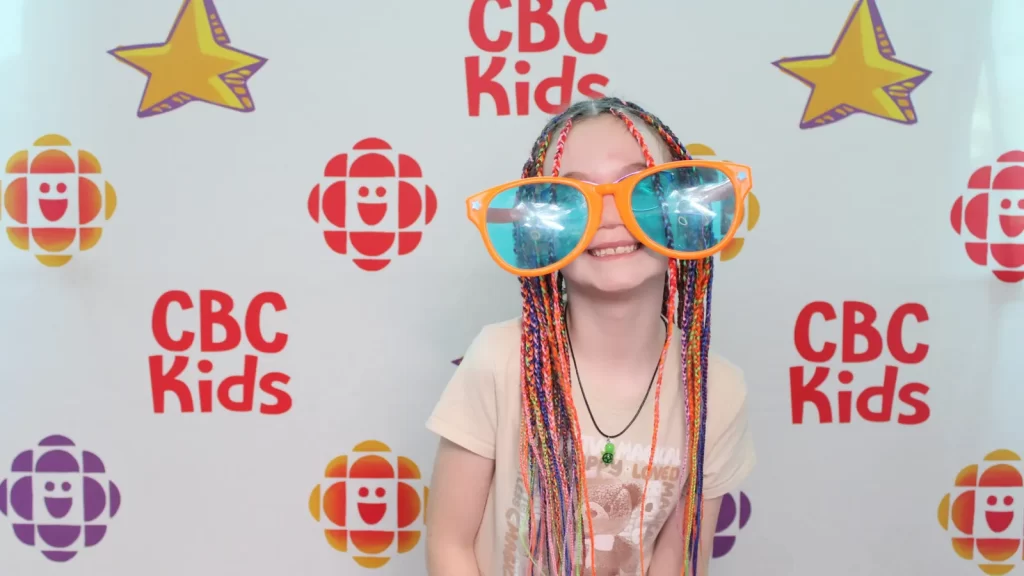
A useful corporate photo activation gives guests something they want to keep while making the event’s identity clear. That might be a portrait, a group print, a themed image or a short video. Choose the output around the audience and the purpose of the gathering. The corporate photo booth service covers the booking options; this guide helps you develop a concept that has a clear job.
An employee celebration, a product launch and an exhibition stand do not need the same experience. Employees may want an informal photograph with colleagues, while launch guests may want an image connected to a new product. At an exhibition, time and aisle space can be tight. Start with what a guest will do and receive, then decide how the brand belongs in that moment.
Give the activation one primary purpose
Choose a primary objective before designing the backdrop. It could be a shared team keepsake, a memorable introduction to a product, or an optional creative activity during a reception. Several benefits may follow, but trying to optimize every session for entertainment, sales qualification, social posting and a lengthy survey can make the experience difficult to understand.
Write the objective as a guest-centred statement. “Attendees leave with a portrait that marks the conference” is clearer than “maximize engagement.” It tells the designer what to emphasize, the attendant what to explain and the event team what to check. It also creates a reasonable way to review the result afterwards without inventing a financial return from the number of photographs alone.
Match the concept to the event’s mood. A client dinner may call for a restrained portrait and subtle branding. An employee party may welcome playful group photographs. A product launch may use a prop or scene connected to the product. These are creative options, not evidence that any particular format will increase sales or produce a fixed amount of online reach.
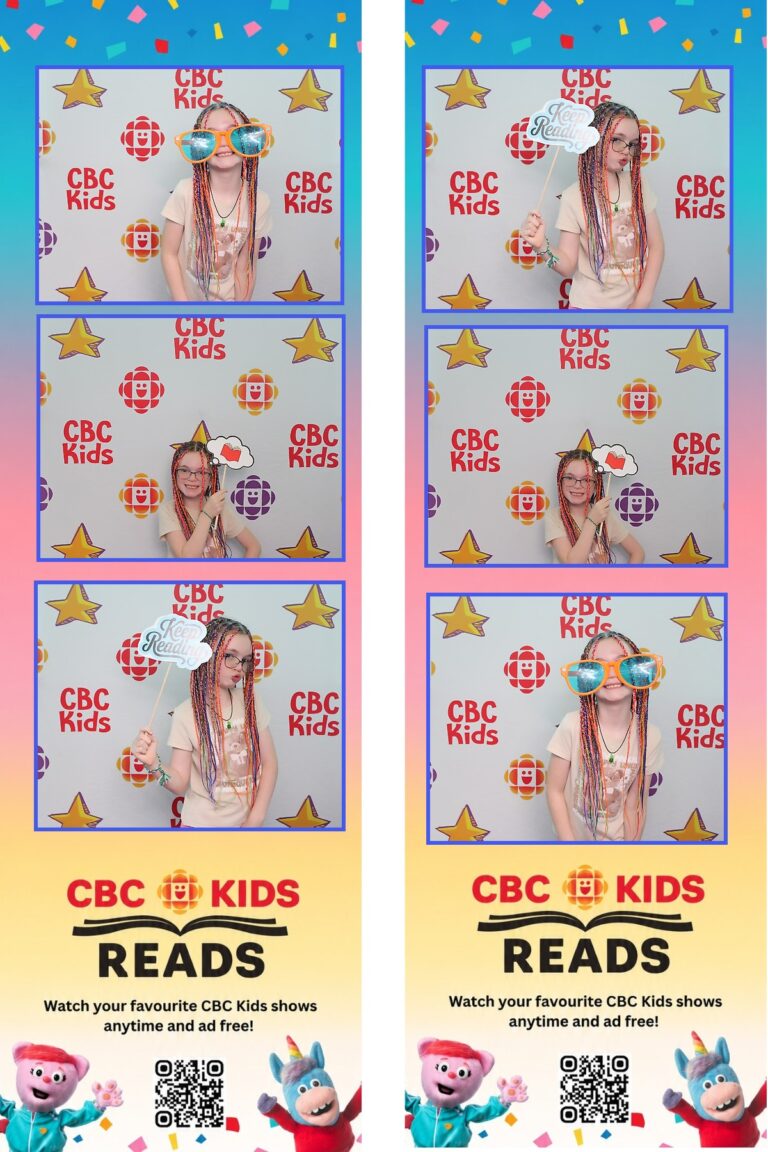
Choose the format from the guest experience
| Concept | Possible format | Planning emphasis |
|---|---|---|
| Team keepsake | Signature Classic group photographs | Readable event identity and easy print collection |
| Formal portrait | Glam or Mirror booth | Lighting, clothing contrast and a calm queue |
| Movement-based moment | 360 Video Booth | Operating boundary and a simple participation cue |
| Themed interpretation | AI Photo Booth | Approved theme, sample output and clear guest choice |
| Magazine-style scene | Vogue Booth | Short headlines and a design readable in photographs |
| Portable favour | Photo keychains | Confirmed quantities and a collection arrangement |
The equipment name should not be the whole concept. A standard print can be distinctive when its artwork and guest instruction are thoughtful. A sophisticated effect can be forgettable if nobody understands why it belongs at the event. Ask to see complete output examples and discuss how the proposed design will work with the actual crowd and available space.
Build branding around one recognizable message
Choose the logo version, event name and any short message that must appear. Then decide where each belongs: on the physical scene, the screen or the finished output. Repeating every element in every position can create clutter. Leave room for faces and keep the visual hierarchy clear when the image is reduced to phone size.
A guest should be able to recognize the occasion after leaving the venue. That does not require a large sales message across the picture. A readable logo and event identity may be enough. If several sponsors are involved, agree on artwork priorities before design starts. A dense row of small logos rarely communicates as well as a deliberately structured treatment.
Have one brand approver review the full set of assets together. The backdrop, template, overlay and instructions should use the same event name and current artwork. The design checklist is useful for checking spelling, contrast, crop and final-size readability before the files are approved.
Make participation clear without forcing a performance
Guests need a short explanation of what happens and what they receive. A sign can identify the activity, while the attendant provides the practical cue. Avoid making people read a long set of instructions before they understand the benefit. The first interaction should be simple enough that someone arriving between conversations can decide whether to take part.
Offer a comfortable level of participation. Some people enjoy props and movement; others prefer a straightforward photograph. Keep a no-prop option and avoid jokes that target appearance, identity or workplace relationships. For an employee event, public posting should be optional. A company celebration can be successful without turning every employee into a promotional spokesperson.
If the event includes guests with different mobility, sensory or language needs, discuss those needs when selecting the setup. Provide a route that does not require joining a crowded queue just to understand the activity. Ask the supplier which configuration and assistance are appropriate, rather than claiming that every booth arrangement is suitable for every person.
Use themed portraits deliberately
An AI Photo Booth can place a guest portrait into an approved visual theme. The creative decision should be connected to the event, such as a clearly fictional scene or a stylized treatment consistent with the brand. Review sample outputs before choosing the concept and make sure guests understand that the image is a themed transformation.
Set boundaries for what the theme should avoid. Do not imply a real endorsement, credential or achievement that the guest does not hold. Avoid sensitive personal assumptions and representations that might embarrass the participant. Brand review should cover the resulting images, not only the prompt or theme name. The guest’s comfort remains more important than adding another effect.
Also confirm what happens when someone prefers a conventional photograph. A clear alternative can keep the event welcoming. Discuss output handling and intended use with the responsible event team before the day, especially if the organization hopes to feature selected images in later marketing.
Design the guest route as carefully as the photograph
Draw the activity as a sequence: approach, explanation, preparation, capture, delivery and departure. Each stage needs somewhere to happen. A guest reading a sharing screen should not block the next group from entering. A staff member answering a product question should have room away from the camera cue. The queue should stay within the area the venue or organizer has approved.
Think about when demand will arrive. A reception may spread participation throughout the evening; a conference can release a large group during a short break. Ask the supplier to assess the available window and the proposed session rather than assuming a theoretical capacity. If you shorten the interaction, preserve the parts guests actually value instead of simply asking the attendant to rush.
For a Toronto office or venue, confirm access, loading, power and the room opening time. Give the booth supplier a current floor plan and the relevant venue instructions. The North York corporate venue guide discusses office and hotel logistics, while the dedicated trade show planning guide focuses on exhibition-floor constraints.
Separate file delivery from marketing choices
A guest may need to provide a destination to receive a photograph or clip. That does not mean the guest has chosen to receive unrelated marketing or appear in a promotional campaign. Keep those choices distinct in the event plan and the guest explanation. Ask the organization’s responsible team to approve the collection and use of information before any form is configured.
Collect only information that serves a clear purpose. If the activity is an employee keepsake, adding several sales qualification fields may be unnecessary. If there is an optional follow-up request, explain what the guest will receive and make the choice understandable. Do not describe every photo recipient as a qualified lead in an internal report.
Confirm who can access the event files and how selected material may be shared. A private gallery and a public promotional album are different uses. The attendant should know how to answer basic guest questions and whom to contact for anything beyond the agreed explanation. Keep the process consistent across signage, screens and staff briefings.
Measure the activity without inflating the result
Use measures that you can actually observe. Completed sessions, successfully delivered files and voluntary feedback can describe use of the activation. A session count is not necessarily a count of unique people, because groups and repeat visits affect it. A delivered clip does not establish that it was posted publicly, viewed or responsible for a sale.
For a marketing event, distinguish the booth’s activity from the organization’s later follow-up. If a guest separately requests product information, record that as the relevant action. Do not estimate reach by multiplying the number of guests by an assumed follower count. Overlapping audiences and private sharing make that calculation unreliable.
Write a short review after the event: what guests used, where the queue formed, whether the design stayed readable and what practical changes would help next time. This gives the team a useful planning record. A clear account of the experience is more valuable than a report full of unsupported claims about awareness or return on investment.
Plan a useful staff briefing
The host team should understand the activation well enough to describe it in a sentence. Explain who it is for, what participants receive, how long the activity is expected to occupy them and where a question should go. Keep the booth attendant’s role separate from the brand team’s role. The attendant manages the session; the organization supplies any product explanation or follow-up conversation that belongs outside it.
Brief staff on the same guest choices shown on the screen. If public posting is optional, nobody should imply it is required to take part. If a separate product-information request exists, explain that choice consistently. A short rehearsal can reveal conflicting instructions before the audience arrives. It also gives the team a chance to test whether the signage is understandable without a staff member repeating a long explanation.
Afterwards, collect observations from the attendant and the event team separately before combining them. The attendant may notice a confusing collection step, while the host team may notice that guests wanted a different group arrangement. Keep those observations specific to the event. They can inform a future brief without becoming unsupported claims about every audience or every activation.
Turn the concept into a bookable brief
Provide the date, venue, audience, event objective, preferred output, operating window and artwork approver. Mention any sponsor requirements, custom scenery or special guest instructions. For launches and conferences, use the focused product launch guide or conference timetable guide to refine the plan.
Then request a written corporate booth quote that matches the brief. Keep the activity understandable, the branding deliberate and the guest choices clear. Those decisions give the event team something concrete to produce and something honest to evaluate afterwards.