
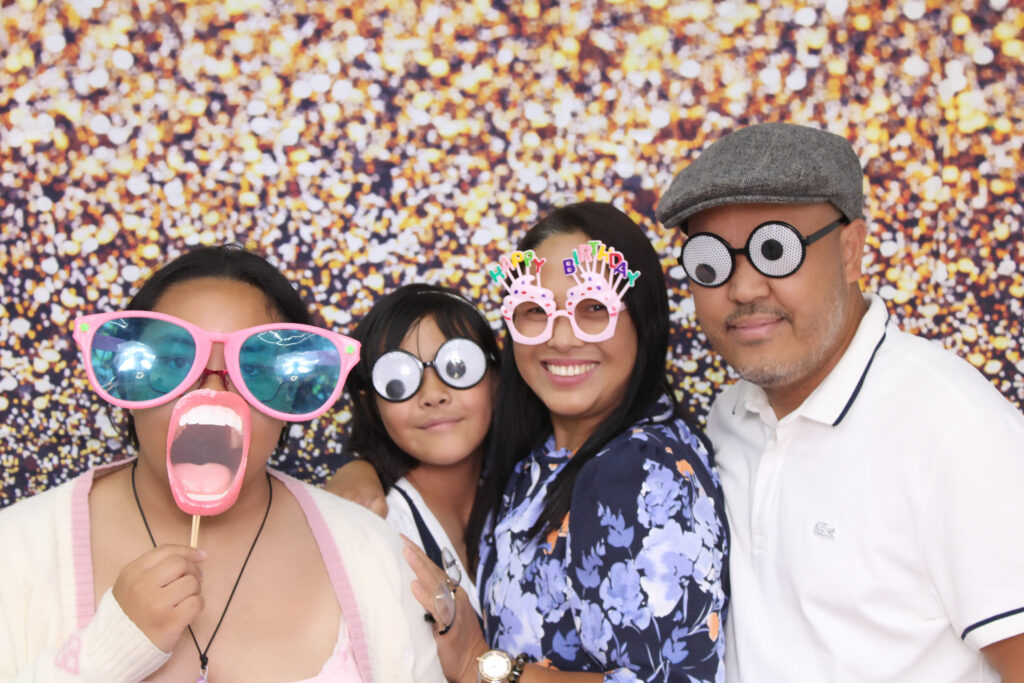
A retirement party photo booth works best when it gives the guest of honour time with the people who shaped their working life. Plan small group portraits, a few thoughtful prompts, and a keepsake that can be enjoyed later. The booth should sit around the speeches and personal conversations, with the retiree free to participate without spending the entire celebration in a queue.
For an employer-hosted celebration, start with the corporate photo booth options and explain whether colleagues, family members, former staff, or clients will attend. That mix matters more than a novelty theme. A Toronto office farewell during the workday needs a different rhythm from an evening dinner in a private room.
Decide what the retiree would actually enjoy
Before choosing props, ask a trusted organiser what kind of attention feels comfortable. Some people enjoy playful costumes and a lively crowd. Others would prefer a well-lit portrait with a colleague and a chance to talk. A considerate plan offers both, without making either style compulsory.
Separate workplace history from private plans. A retirement message can celebrate contribution without announcing where someone will live, how they will spend their money, or whether they intend to stop working completely. Use interests the person has openly shared and approved. Travel, gardening, volunteering, and family are possibilities, not assumptions to build into every design.
Agree on the displayed name, job title if wanted, and retirement date before the print proof is prepared. A surname may have changed during a long career, and a familiar nickname may not be appropriate on a formal keepsake. One person should collect corrections and send a single approved version to the supplier.
Choose an output that matches the memory
A printed portrait makes a straightforward farewell gift because a guest can hand over a copy or add it to a book. A digital image is useful for colleagues who want their own file. A short video can capture movement and humour, while an audio message can preserve the sound of a familiar voice. These outputs serve different purposes, so choose the main one first.
| What you want to keep | Format to consider | Planning detail |
|---|---|---|
| Portraits with colleagues | A print booth | Arrange groups before they enter the photo area |
| A collection of spoken memories | An audio guest book | Place it away from music and speech speakers |
| Playful group movement | A video booth | Keep a still-photo alternative for guests who prefer it |
| A physical favour | Photo keychains | Confirm the quantity and collection process separately |
The audio guest book records messages rather than taking photographs. If it is included, give it a quiet position and a clear invitation. Do not place it beside the photo queue simply because both activities create keepsakes. Guests need enough privacy to finish a personal thought without the next group listening over their shoulder.
Build the booth into the farewell programme
Put speeches, a presentation, and any meal service on the schedule before deciding when the booth opens. A booth that competes with the farewell toast can divide the room at the most meaningful moment. A planned pause is more considerate than asking an attendant to judge when a speech has really finished.
For a short office gathering, an illustrative sequence is arrival portraits, a clear pause for remarks, then a relaxed final photo period. For an evening dinner, the booth may work after the main course, with family portraits taken earlier if some guests will leave before dessert. These are planning examples, not fixed rental durations.
Give the master of ceremonies the exact opening and closing times. A single announcement can explain where to go and what guests will receive. Avoid repeated announcements that turn the booth into an obligation. The retiree should have an organiser who can gently gather people for a portrait when needed and protect time for unplanned conversations.
Make a portrait list without making a production line
A short group list helps avoid the end-of-night discovery that a whole team missed its photo. Useful groups might include the current department, long-serving colleagues, a former manager, and family. Ask the retiree or their representative which groups matter, because an organisational chart does not reveal every important relationship.
Keep the list manageable. If every possible combination becomes mandatory, the guest of honour spends the celebration standing in one place. Prioritise a few meaningful groups and leave room for spontaneous pictures. Large departments can take a group portrait elsewhere with a photographer if they exceed the booth’s confirmed framing or safe space.
Let an organiser assemble the next group outside the operating area. The attendant can then focus on positioning and taking the photograph. Avoid calling names across a speech or asking someone with limited mobility to stand in a queue while a group is incomplete. Bring the group to the person when the room arrangement makes that more comfortable.
Use career details with care
A print template might carry the person’s name, a short thank-you message, and the celebration date. Those elements often say more than a crowded collage of job titles, dates, slogans, and logos. Keep the photo area generous enough that faces remain the focus when the print is held at ordinary reading distance.
If you want to include years of service, confirm the dates with an authorised contact. Leave out the calculation when the employment history is uncertain. The same caution applies to company milestones, awards, and quotations. A funny line attributed to the retiree should be something they really said and are happy to have printed.
Choose props around shared work experiences without exposing confidential information. A generic notebook or approved company sign may be appropriate; a real client file, staff badge, or internal document is not a decoration. Avoid jokes about age, health, redundancy, or being replaced. The aim is affection that the guest of honour recognises, not a punchline at their expense.
Create a message station that stays readable
If portraits will go into a retirement book, place writing supplies at a separate table. Guests need room to put down a bag, write a few lines, and let the ink dry. Keeping this task away from the printer prevents a thoughtful message from holding up everyone else’s photographs.
Offer two or three specific prompts rather than a blank demand to say something memorable. Examples include “A lesson I learned from you,” “A moment I still remember,” and “A wish for your next chapter.” Guests can also write a simple personal message. A prompt is an invitation, not a script that everyone must follow.
Assign responsibility for the finished book and loose prints. A named organiser should check that pages, notes, and any unused materials reach the intended recipient. If the book will be assembled afterwards, use envelopes or labelled folders so messages stay matched to the right photographs. Do not rely on a busy venue table to safeguard a personal gift.
Plan the room for conversation and comfort
The photo area should be visible without becoming the centre of every conversation. An edge of the reception space often works better than the only doorway or the route to the bar. Confirm the actual booth footprint, backdrop, operating clearance, and waiting space with the supplier before seating is finalised.
Check that guests can approach and leave without negotiating coats, cables, or furniture. Offer a nearby seat where useful, and ask how the chosen booth accommodates a seated portrait. An open route and a calm explanation can matter more than adding another decorative feature.
For a Toronto office venue, confirm building access, vendor arrival arrangements, and the path from unloading to the room. A retirement party held after normal office hours may have a different security contact from the daytime organiser. Put the working contact on the event brief so the attendant is not left calling someone who has already joined the celebration.
Include people who cannot stay all evening
Former colleagues and family members may have limited time at the event. If particular portraits are important, schedule them near arrival and tell the people involved in advance. Avoid promising that every guest will appear in a complete group photograph when arrival times differ.
For colleagues attending remotely, agree on a separate way to contribute a message. Do not assume the booth can combine remote and in-person images or record a live video call. Those are distinct production requests that require confirmation. A collected written message may be the clearest option when remote participation needs to remain simple.
Think about how guests receive their own images. Some will be comfortable with a sharing screen; others may prefer a print or help from the attendant. Explain the available choices without requiring a public social post. Ask the organiser who may access the final gallery and how any workplace publication will be approved.
A practical plan for a mixed guest list
Imagine a farewell with current staff arriving straight from work, several retired colleagues attending only the reception, and the guest of honour’s family joining for dinner. The useful decision is to take the former-colleague portraits before the meal, then leave the later booth period open for informal groups. The important photographs happen while the right people are present, rather than whenever the room happens to feel quiet.
In that example, the organiser can reserve a small set of blank message cards for early departures and collect them before dinner. The family can choose its own portrait moment without waiting through department photographs. The attendant receives the programme and group priorities, while a company contact manages names and introductions. Each person has a clear job.
If a speech runs longer than expected, preserve the speech and adjust the optional portraits first. Ask the supplier about any change to operating hours before promising it to guests. A flexible group list gives the host somewhere to simplify without sacrificing the main reason everyone gathered.
Check the quote against the actual farewell
Describe the event as accurately as possible: the venue, expected attendance, main programme, desired output, and the hours when guests can use the booth. Include a separate message station or audio guest book if those are part of the plan. A list of activities helps the supplier distinguish equipment time from the time guests are actually taking photographs.
Use the guide to photo booth rental costs to understand the variables, then request the details for your own date. For design preparation, the props, backdrops, and print checklist helps keep approvals organised. The North York office-event guide is useful when building access is part of the job.
Before the event, confirm who approves artwork, who meets the supplier, who gathers the important portrait groups, and who takes home the keepsake. Those four responsibilities prevent many small tasks from landing on the retiree. Send the final details through the quote request form so the booth can be planned around the person being celebrated.