
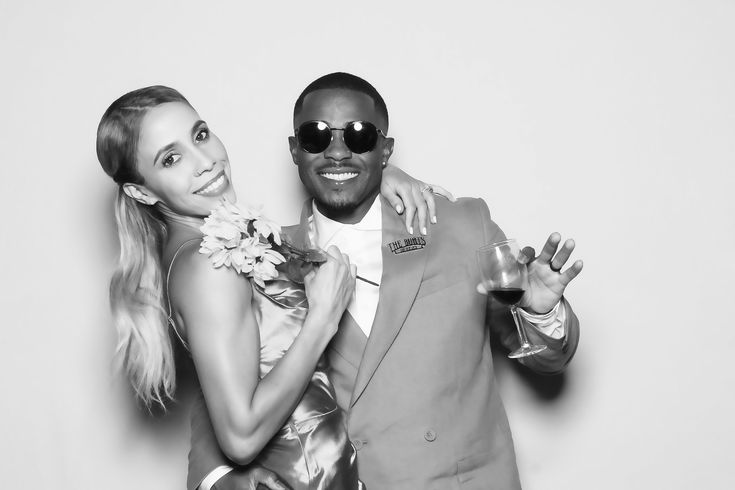
An engagement party photo booth works best when it helps the couple’s different circles feel comfortable together. Keep the design personal, choose an output guests will enjoy, and leave time for relaxed photographs before and after the toast. The event does not need to preview every detail of the wedding or become a miniature reception.
Couples planning both occasions can explore wedding photo booth options while keeping the engagement celebration’s brief separate. This guide is about the earlier gathering: introducing relatives and friends, working within a restaurant or home, deciding how much wedding information to share and creating a keepsake that belongs to this moment in the relationship.
Give the engagement party its own identity
Start with the setting and the people, not the wedding mood board. A casual restaurant gathering, an evening at home and a hired-room celebration have different rhythms. Choose one visual idea that fits this party: an understated portrait corner, a favourite colour combination or a celebratory message the couple actually uses. The booth should feel connected to the occasion without announcing choices that have not been made for the wedding.
Avoid printing an unconfirmed wedding date, venue or surname. Those details can change, and the engagement keepsake does not need them to feel personal. The couple’s approved names and the engagement-party date are enough. If a surprise element is involved, check which information may appear before guests arrive. A decorative sign visible at the entrance can reveal news earlier than the hosts intended.
Choose photographs that bring people together
At this stage, guests may know one partner well and the other only slightly. A booth can offer a natural shared activity without turning introductions into a formal exercise. Think of optional groupings such as siblings, long-time friends or people who travelled together. The couple can invite a few mixed groups themselves if that feels comfortable, while guests remain free to take pictures with the people they choose.
Do not build the experience around inside jokes that only one circle understands. A short, welcoming print message works better than a private reference that leaves half the room puzzled. Keep pose prompts easy: a relaxed group portrait, a celebratory gesture or a photograph with the couple. Guests should not need to know the relationship’s history to participate and enjoy the result.
Pick a format that suits conversation
A still-photo booth is often straightforward to fit around an event where the main activity is talking. Printed keepsakes can move naturally from the booth to a table or into a guest’s bag. A video booth creates a different energy and may suit a party with music and room for movement. Neither is inherently better; compare the output with the atmosphere the hosts want.
The Signature Classic and Glam Booth offer distinct still-photo styles. A video experience should be chosen because guests want clips, not because the equipment looks impressive in a promotional image. If the room is compact, ask the provider to confirm the whole footprint and participation arrangement. A booth that occupies the main social space can make conversation and service harder even when it physically fits.
Keep the couple available to their guests
It is tempting to put the couple in every picture, particularly when relatives rarely meet. That can leave them spending much of the party at the booth. Decide on a short period for important family photographs and let the rest of the evening develop naturally. A sibling or friend can gather the planned groups so the couple does not spend the entire window searching the room.
Outside that period, guests can take their own photographs and invite the couple when it feels appropriate. A booth should add a memory-making option, not become a receiving line. If the couple wants broader coverage of conversations, toasts or reactions elsewhere in the room, that is a separate photography brief. The booth’s fixed position cannot document every part of the gathering.
Make a small venue work without crowding it
In a restaurant private room, ask which walls and corners remain available once tables, service stations and coats are in place. A room photographed empty can look much larger than it feels during a meal. The booth needs its equipment area plus a space where a group can wait and collect an output. Confirm that guests and staff can still move comfortably when the queue is active.
At home, look at the route from the door to the chosen room. Stairs, narrow turns and furniture can matter as much as the floor area. Do not move essential seating simply to imitate a larger event setup. Share photographs and measurements with the provider, then confirm the proposed arrangement. For a useful comparison of home and venue choices, read the birthday party setup guide, applying the access questions to your engagement gathering.
Plan the photo window around the toast
An engagement party may have only a short formal moment, but that moment deserves the room’s attention. Share the toast time with the attendant so guests are not being encouraged into a lively session while someone is speaking. If the hosts have a reveal, announcement or family acknowledgement, include it in the same schedule. The booth can pause or begin later according to the agreed booking arrangements.
As a planning example, guests could take relaxed pictures after arriving, gather for a toast and then return to the booth while socialising. A seated meal may call for a different pattern. Ask the provider to quote the hours people can actually use, including any planned idle period. Do not assume that splitting a rental into separate windows has the same price or staffing arrangement as continuous operation.
Choose a backdrop with future photographs in mind
The engagement party’s backdrop can be distinctive without competing with the wedding. If the wedding is likely to be formal, the engagement pictures might be colourful and relaxed. If the party is a simple dinner, a calm backdrop and clear print design may be enough. There is no need to finalise a wedding palette to make this event feel coordinated.
Consider how the backdrop will appear behind two people and behind a wider family group. Small decorative elements placed only at the centre may disappear behind guests; large text can be blocked or cut off. Review a mock-up with people-sized image areas rather than an empty design. The backdrop and template checklist gives practical questions to use during that review.
Make the print personal without adding private details
A short line chosen by the couple can make the keepsake feel specific: their names, a celebration title or a simple expression of thanks. Avoid turning the print into a wedding invitation unless that is an intentional, approved decision. Some engagement-party guests may not yet know the wedding plans, and a printed date can create expectations the couple has not discussed.
Check the names exactly as the couple wants them shown. If two languages are included, ask someone fluent in each to approve the wording and punctuation. Keep personal phone numbers, home addresses and private social handles off the artwork unless there is a clear reason to include them. A meaningful design comes from the occasion and the photographs, not the amount of information printed around them.
Welcome relatives without making them perform
Some guests enjoy props and exaggerated poses; others prefer a composed portrait. Offer both possibilities. A simple photograph of the couple with a grandparent or family friend can be more valuable than a picture dominated by novelty accessories. Let guests see a sample and understand what happens before they join. An attendant’s calm invitation is often more useful than a loud public announcement.
Discuss access needs relevant to the equipment, including whether a seated portrait is possible and how guests enter and leave the photo area. Keep a comfortable waiting option nearby where the venue permits it. Avoid assuming that a particular age group dislikes technology or that every younger guest wants video. Ask about preferences rather than assigning them by generation.
Use a guest-book idea only if someone will manage it
If the couple wants a photo guest book, place the book and writing materials on a separate surface after the booth exit. Ask how any extra print for the book will be handled with the chosen package. Give guests a short prompt so they are not trying to compose a long message while others wait. A trusted friend can encourage contributions without making them compulsory.
Keep the book away from drinks and assign someone to collect it at the end. Without that simple ownership, a carefully planned keepsake can remain unfinished or be left at the venue. An audio guest book is a different option for voice messages, but it needs an appropriate location and an agreed handover. It records sound rather than replacing photographs, so choose it for the kind of memory you want.
Decide how the photographs will be shared
Ask the couple who should receive the event collection and whether they want it shared beyond the guest group. An engagement party can include news that has not yet been announced widely. Let guests know if the hosts prefer to make their own public announcement first. The booth’s delivery method should fit that preference instead of encouraging immediate public posting by default.
Confirm the available print and digital options with the provider, including how guests obtain their own files and what information they enter. Participation should remain optional. If a guest wants a photograph for themselves but not a public post, keep those choices distinct. Do not describe a gallery as private without clarifying how access is actually controlled and who will distribute its link.
Keep the quote focused on this event
When discussing a booking, send the engagement-party details separately from the wedding plans. Include the actual date, address, room, guest count and programme. Explain the preferred output and any family portrait window. If you are also asking about the wedding, request clearly separated scopes so the hours, artwork and logistics do not become confused between two occasions.
The Toronto rental cost guide explains published options and the details that change a total. A smaller guest list does not automatically remove delivery, setup or venue-access work, so compare the full arrangement. Spend first on an appropriate format and usable time, then consider decoration or additional keepsakes that serve the couple’s priorities.
Bring the plan back to the people
Before finalising, ask whether the booth leaves the couple free to talk, gives relatives and friends a comfortable way to join and fits the room without interrupting the meal. Check the wording one final time and confirm who can answer questions on the day. Keep the approved proof and programme in one place so the attendant receives a consistent brief.
For help choosing between still photographs and video, the wedding booth comparison guide can inform the decision without dictating the engagement party’s style. Request a written quote with the event details and the kind of keepsake you want. The strongest engagement-party idea is the one that helps people share a moment now, while leaving the wedding to become its own celebration later.