
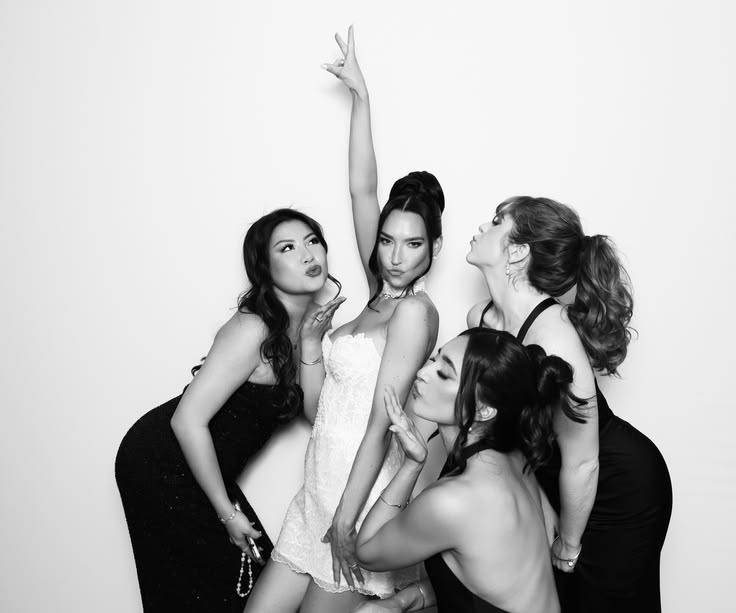
A bridal shower photo booth should feel like part of the gathering, with a design the guest of honour likes and a schedule that leaves room for conversation, food and any planned activities. Choose the photographs you want first, then decide on the backdrop, props and keepsake format. A thoughtful portrait corner can work without turning a lunch or tea into a full wedding reception.
The wedding photo booth service provides options to discuss for related celebrations. This guide concentrates on the shower’s distinct needs: daytime light, a smaller room, guests who may not know one another, gift tables and a host managing several moving parts. Apply the ideas to the actual event, whether it is a bridal shower, couple’s shower or another celebration chosen by the hosts.
Ask the guest of honour what feels personal
Begin with a few simple choices: formal or playful, colourful or restrained, printed keepsakes or digital pictures. A host may love elaborate floral decor while the guest of honour prefers a quieter portrait. Confirm that preference before booking a backdrop or ordering signs. Personalisation is strongest when it reflects the person being celebrated, rather than a collection of assumptions about what a shower should look like.
Use favourite colours, a meaningful pattern or a short approved phrase if they suit the event. There is no requirement for pink, a particular title or a traditional motif. Avoid jokes about marriage, domestic roles or relationships that the guest of honour has not approved. The booth should make them comfortable inviting friends and family into the picture, not require them to laugh along with someone else’s theme.
Choose the keepsake before the decoration
A print can become part of a place setting, a small thank-you or a guest book, while a digital image is received and stored differently. Confirm what the selected booth produces and how many copies or formats are included in the actual quote. Do not assume that every booth offers printed strips or that a video setup will provide the same keepsake as a still-photo experience.
The Signature Classic is one still-photo option; the Glam Booth offers a different portrait style. Compare these with the atmosphere and the people attending. A relaxed shower may benefit more from an easy group photograph than a dramatic performance. If the host wants an additional favour, discuss its production and collection separately so it does not slow down every photo session.
Make a daytime room photograph well
Daytime events can change as sunlight moves across the room. A wall that looks attractive during a morning visit may receive bright direct light later. Show the provider the proposed position and the event hours, and ask how the booth’s lighting will work with the room. Do not assume that a large window automatically provides suitable light for every guest or every part of the gathering.
Think about the backdrop as it will appear behind people. Pale flowers against pale clothing can merge into one light area, while a very busy pattern may compete with detailed outfits. A sample image or a proof with realistic photo areas can reveal that problem. Keep reflective decor and lights out of the central photograph unless the provider has planned how they will behave on camera.
Keep lunch service and the queue separate
At a seated shower, the booth should not require guests to abandon a meal just as it is served. Mark the food-service times, any games, speeches and gift opening on the programme. A short arrival opportunity and a later social window may work, but the right arrangement depends on the booking and the room. Confirm any planned pause rather than assuming operating hours can be divided freely.
Place the queue away from the buffet, drinks station and route used by servers. Guests often move between these points carrying plates, gifts or handbags, so a narrow crossing can become awkward. A photo corner should be visible without sitting in the busiest passage. Ask the venue to check the proposed arrangement with tables and chairs in their event positions, not just in an empty-room photograph.
Give the gift table its own space
Gifts, wrapping and personal belongings can spread beyond their original table during the afternoon. Keep them out of the booth’s equipment and waiting area. If the host plans gift opening, decide who moves the gifts and who clears the wrapping afterwards. The attendant should not unexpectedly become responsible for storing presents or protecting a gift table while running the booth.
For a smaller room, simplify the decorative stations rather than squeezing every idea into a separate corner. One thoughtful welcome display, one gift area and one useful photo setting may work better than several installations competing for floor space. The room and rental-inclusions guide helps identify the space questions to confirm. The provider and venue still need to approve the actual layout.
Design a print that remains readable
Use the guest of honour’s approved name, the event title and the date in a clear hierarchy. A short line of decorative lettering can look attractive, but the photographs need enough space to remain the main feature. If several small photo frames share a print, reduce the surrounding artwork instead of shrinking every face. Review the proof at the final size rather than only on a phone screen.
Check whether the shower’s host wants to include the wedding date. It may be unnecessary, especially if plans are not final or the shower has its own identity. For bilingual wording, ask a fluent reviewer to supply and approve the text. The print-template checklist offers practical proofing questions, including names, dates, contrast and the relationship between artwork and photo windows.
Use props as a choice, not a dress code
Offer a small collection of props that suits the guest list and the tone of the gathering. Simple signs, flowers designed for the setup or colour-coordinated accessories may be enough. Avoid items that rely on embarrassing personal questions or jokes about a person’s body, relationship status or future plans. A guest should be able to take a comfortable photograph without joining an activity that feels intrusive.
Include a clear option for no props. Many guests will appreciate a picture with a friend or relative that looks like a portrait rather than a costume photograph. Ask how props are organised and kept tidy, particularly if food is nearby. The aim is to make the decision quick at the booth, not create a second activity where every group spends several minutes sorting through a crowded table.
Help guests mix naturally
A shower can bring together friends from different stages of life. Optional prompts can help, such as a photograph with someone who shares a hobby or a group that travelled together. Keep the prompts light and understandable without private knowledge. Avoid requiring guests to disclose personal stories or rank how well they know the guest of honour before they can take a picture.
The host can make a brief invitation after a toast or activity, then allow the booth to run as an open option. A rigid table-by-table rota may feel unnecessary at a relaxed gathering. If a few important family combinations matter, arrange those separately with a helper who knows the guests. Leave enough unstructured time for people to choose their own groupings and return to conversation.
Create a guest book with a practical handover
If photographs will go into a book, decide how the extra copy is produced and who looks after the book. Put writing materials at a separate station after the booth exit so a thoughtful message does not hold up the next group. A short prompt, such as a favourite shared memory or a wish for the couple, can help guests who do not know what to write.
Keep the book, adhesive and pens away from spills, and test that the materials work together before the event. Assign a person to gather the book at the end and check for loose prints. Do not rely on the guest of honour to supervise the station while hosting. The photo book should become a finished keepsake, rather than a collection of pictures and notes that someone has to reconstruct later.
Make room for guests with different needs
Ask about practical access needs relevant to the setup, including the possibility of seated portraits and a clear approach for mobility aids. Discuss those arrangements with the provider instead of assuming every booth has the same camera height or footprint. Keep the waiting area comfortable, especially at an event where guests may have been seated for a long meal or have travelled to attend.
Some people enjoy a lively countdown while others prefer a quieter explanation. The organiser can brief the attendant on the desired tone without sharing unnecessary personal details. Participation should be optional, and a guest who declines should not become the centre of attention. A photo booth adds one way to enjoy the gathering; it should not determine whether someone is seen as taking part.
Keep surprises and sharing under control
If the shower is a surprise, the setup schedule needs particular care. Confirm when the guest of honour arrives, where equipment can be brought in and who will meet the provider. Do not build a plan around hiding equipment in an unsuitable corridor or asking an attendant to improvise access. A named host should handle those arrangements while someone else manages the arrival.
Discuss digital sharing with the guest of honour or the appropriate host before the event. They may prefer to share their own photographs first or keep the celebration within a smaller circle. Confirm the actual delivery options and who receives the collection. A guest accepting a keepsake does not automatically mean they want their image used publicly. Keep that choice separate from the fun of taking the photograph.
Budget for the experience you will use
A small shower still requires delivery, setup, suitable space and a defined operating period. Compare the complete scope rather than dividing a headline price by the guest count. Identify the output, design, backdrop and staffing first, then decide whether decorative upgrades or extra keepsakes serve the event. An elaborate frame is less useful if it makes the room difficult to navigate.
The Toronto photo booth cost guide explains published options and common scope questions. Ask for a written quote tied to the date, address and timetable, including any early setup or idle period. If the shower and wedding are both being discussed, keep their artwork and schedules clearly separated so the details of one occasion do not accidentally appear on the other.
Finish with a brief that reflects the gathering
Send the date, venue, approximate guest count, food and activity times, preferred output and the approved visual direction. Include the delivery contact, the person approving the print and any relevant access arrangements. For an earlier family celebration, the engagement-party photo guide offers ideas for introducing social circles; the shower can retain its own atmosphere and priorities.
Request a written quote with those details and a few reference images that show the mood you want. Before confirming the design, check that the guest of honour likes it, the venue can accommodate it and guests can use it without missing the main gathering. That combination matters more than adding another decorative feature to the room.