
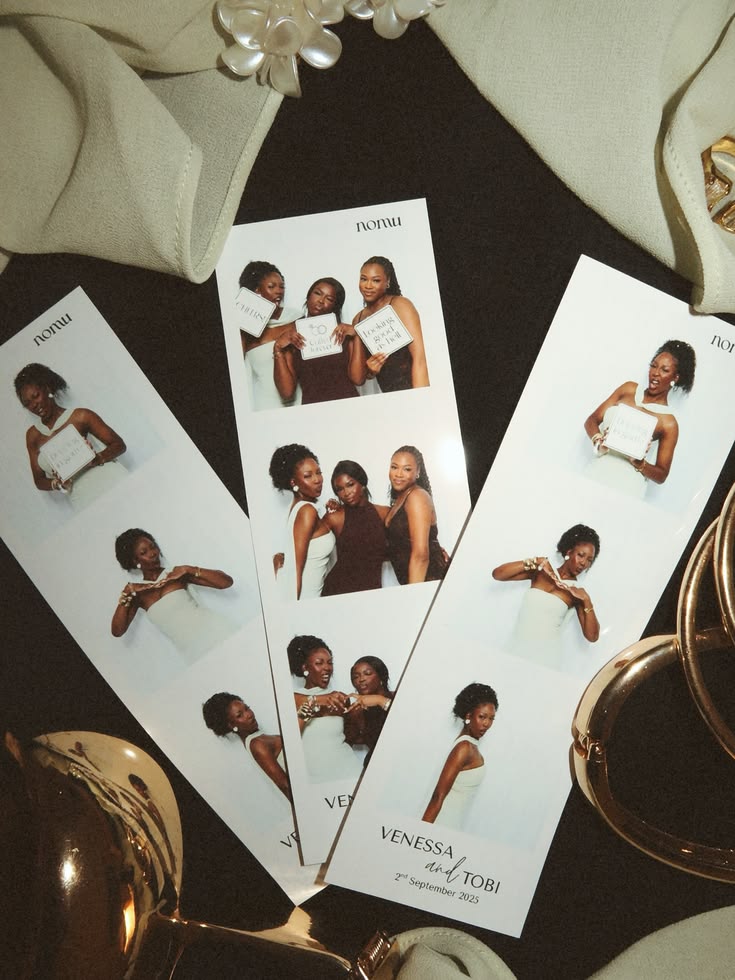
An anniversary party photo booth should celebrate the people as they are now while making room for the history guests have come to honour. Choose a comfortable portrait format, a short list of meaningful groups and artwork that uses names, dates and older photographs carefully. The booth can add a new chapter to the family collection without trying to recreate the original wedding or another past event.
The party photo booth service is a starting point for discussing a Toronto or GTA anniversary celebration. This guide focuses on the gathering’s particular decisions: handling a surprise, including different generations, using old photographs respectfully, planning around a toast and creating keepsakes that guests will recognise years later.
Decide whose story the celebration tells
Ask the people being celebrated what they want the event to feel like, unless it is intentionally a surprise. They may prefer a relaxed lunch, a formal evening or a gathering centred on family and friends. An anniversary can mean different things to different hosts, so confirm the occasion and the wording rather than assuming a specific number of years or a traditional theme.
Let the honourees set boundaries around personal stories and photographs. A host may enjoy a funny old image that the people in it would rather not display. Choose material with their approval where possible and avoid turning private history into entertainment. The booth should help guests celebrate together, not require the couple or family to respond publicly to an unexpected joke or memory.
Make present-day portraits the main keepsake
Older photographs can provide context, but the new pictures are the record of everyone gathered now. Choose a setup that shows faces clearly and accommodates the groups that matter. A printed portrait can be easy for relatives to take home, while digital delivery provides a different way to retain and share images. Confirm the output and copy arrangements in the actual quote.
The Signature Classic Photo Booth and Glam Booth offer distinct portrait styles. Choose between them according to the desired look and participation, not an assumption about the guests’ ages. Some older relatives enjoy playful pictures and some younger guests prefer a simple portrait. A good plan allows both without making one approach the expected performance.
Use historical photographs with care
If an old photograph will appear in the print design or beside the booth, use the best available copy and check that the people concerned are comfortable with its use. A small image enlarged from a social-media post may look soft or lose important detail. Ask the designer what size and quality are needed for the intended placement instead of assuming any file will print clearly.
Keep original photographs and albums away from food, drinks and busy equipment areas. A display copy is usually more practical for an event than a fragile original, but the family should decide how its material is handled. Do not claim ownership or permission for a professional photograph simply because a family has a print. If there is uncertainty about using it in new artwork, choose a different design or resolve the permission first.
Give a then-and-now idea a clear format
A then-and-now concept can be meaningful when it is voluntary and simple. The honourees might hold a copy of an old portrait or choose to stand in a similar arrangement. There is no need to recreate clothing, bodies or expressions exactly. The interest comes from the connection between moments, not from judging how people have changed.
Keep that planned photograph separate from general guest sessions. The setup may need a particular frame or prop, and the couple should not have to repeat it for every group. After the special image, return the booth to open participation. If the family wants a carefully composed recreation, discuss it with a photographer as its own brief rather than assuming it is a standard booth output.
Check names, dates and the anniversary number
Confirm the event wording directly with the organiser or honourees. The party date may differ from the anniversary date, and the family may want one, both or neither on the print. Ask which names should appear and in what form. Avoid assuming a shared surname or using a formal name that the people being celebrated do not normally use.
Review the proof at actual size. A large anniversary number can be a useful visual element, but it should not reduce the photographs to tiny windows. Use clear lettering for names and dates, with decorative type kept to a short heading. The print-template and backdrop checklist helps catch errors before the artwork is used for every guest’s keepsake.
Plan a manageable family-photo list
Identify the groups the honourees most want to remember: perhaps immediate family, close friends or people who travelled a long way. Ask a helper who knows the guests to gather them. The attendant should not be expected to recognise relationships or leave the booth to search the venue. Keep the priority list short enough that the honourees can return to their own celebration.
Do not let the list become a demand for every possible combination. A relaxed portrait with a small group may mean more than a hurried sequence of large arrangements. Ask the provider what group size the selected setup can accommodate comfortably and how seated participants can be included. Other guests can enjoy their own sessions while the honourees take a break or spend time elsewhere in the room.
Include guests comfortably across generations
Discuss relevant access needs with the provider in advance, including a seated portrait option, clear approach routes and room for mobility aids. A photograph of the booth itself does not establish how accessible the experience will be. Ask about the actual camera position and participation arrangement, and share only the practical information needed to plan it.
Place a comfortable waiting option nearby where the venue permits it. Keep instructions clear and avoid assuming everyone wants to use a phone or enter contact details. If the selected package supports a printed keepsake, explain that option plainly. Equally, do not assume older guests dislike digital pictures. Offer the available choices without assigning preferences by age, and let guests decide how they want to participate.
Fit the booth around the toast and meal
The anniversary toast, speeches or a slideshow may be central to the event. Share those times with the provider so the booth does not draw attention away from them. If the room is small, even a lively queue can compete with a speaker. Agree whether the booth pauses, begins later or uses an earlier window, and confirm how that fits the booked hours.
As a planning example, a lunch celebration might allow family portraits before the meal and open guest sessions afterwards. An evening reception could use an arrival window and another period after speeches. Neither is a universal duration. Choose hours from the actual programme and departure times, especially if some relatives will leave before late entertainment. A useful schedule is one guests can use without missing what they came to celebrate.
Make a surprise practical for the supplier
For a surprise anniversary party, tell the provider exactly what is confidential and who will meet the delivery. Confirm when the honourees arrive and which route equipment can use without being seen. Do not rely on hiding a large setup in a corridor or changing the plan after the supplier reaches the venue. A named organiser should be available to handle those details.
Check that public signs, screens and sample prints do not reveal the surprise too early. If the honourees know about the gathering but not a particular photo display, describe that distinction clearly. The provider needs enough information to carry out the agreed plan, while the organiser retains responsibility for the reveal. Keep one final brief so well-meaning helpers do not give contradictory instructions.
Choose props that honour rather than tease
Props can create a playful photograph, but avoid jokes about age, memory, appearance or relationships unless the honourees have clearly chosen them. A light-hearted idea should not depend on someone accepting embarrassment in front of family. Simple celebration signs, a meaningful colour or a small reference to a shared interest can provide personality without making a person the punchline.
Leave the option of a straightforward portrait prominent. Guests may want a picture with a friend they rarely see, and that does not need a novelty accessory. Keep the prop collection small enough to manage and ask how it will be organised. Personal family objects should only be included if their owners are comfortable with handling at a busy event; a delicate keepsake is often better displayed safely elsewhere.
Pair photographs with memories thoughtfully
A guest book can bring together pictures and short recollections. Offer a prompt that invites a positive memory or a message, while allowing guests to write simply if they prefer. Avoid asking for private stories that the honourees may not want recorded. A short note from someone who attended can be meaningful without becoming a public speech or a detailed account of family history.
Put the writing station beyond the booth exit so thoughtful messages do not slow the queue. Confirm how prints for the book are supplied and assign someone to collect the finished materials. An audio guest book is another way to preserve voices, but it needs its own suitable location and agreed file handover. Choose it because the family wants recordings, not as an assumed replacement for written messages or photographs.
Keep sharing within the agreed audience
Discuss who will receive the photo collection and whether the honourees want it shared publicly. Guests may be comfortable taking a family picture but not having it used in promotion. Keep personal delivery separate from wider publication. If the event includes older photographs, the sharing plan should cover those too, especially where they show people who are not attending the celebration.
Ask the provider what digital options are available and how access is controlled. Do not describe a gallery as private without understanding how its link is distributed. Give guests a clear choice about participation and communicate any request to wait before posting. The family should be able to enjoy the collection without discovering that different organisers made different assumptions about its use.
Compare the scope before the extras
Identify the useful operating hours, preferred output, design work, backdrop and access requirements before considering additional decor. A special historical design may need more preparation than a simple name-and-date print, so supply material early and allow time for approval. If the provider must set up well before the honourees arrive, make that timing visible in the request.
The Toronto photo booth cost guide explains published options and the details that affect a quote. For a banquet setting, the Woodbridge and Thornhill event guide adds practical room and guest-flow questions. Use those guides to prepare, then confirm the actual venue’s rules rather than assuming another celebration’s arrangement will transfer unchanged.
Give the celebration a clear photo brief
Send the date, venue, guest count, programme, preferred output and the honourees’ chosen style. Include approved names, dates, any historical images and the person who can sign off the artwork. Identify a helper for priority family groups and a separate logistics contact if needed. Keep the number of planned photographs realistic so the honourees remain guests at their own party.
Request a written quote with those details. A well-considered anniversary booth produces more than a repeated pose against a themed wall: it records the current circle of people around a shared milestone. When the design is respectful, the schedule is comfortable and the keepsakes are clear, the photographs can sit naturally beside the older memories the celebration honours.